LEPTOMAR
The Laboratory of Ecology of Marine Top Predators, LEPTOMAR (IBIOMAR-CONICET), is a pioneer in the use of highly sophisticated electronic technology to study the behavior and movement of the region's seabirds. It holds one of the most robust long-term data series on the spatial ecology of seabirds in the Patagonian Sea.
Our mission
To generate long-term scientific knowledge about Patagonian seabirds in a context of global change.
The laboratory
We have been studying the seabirds of Patagonia for more than 30 years
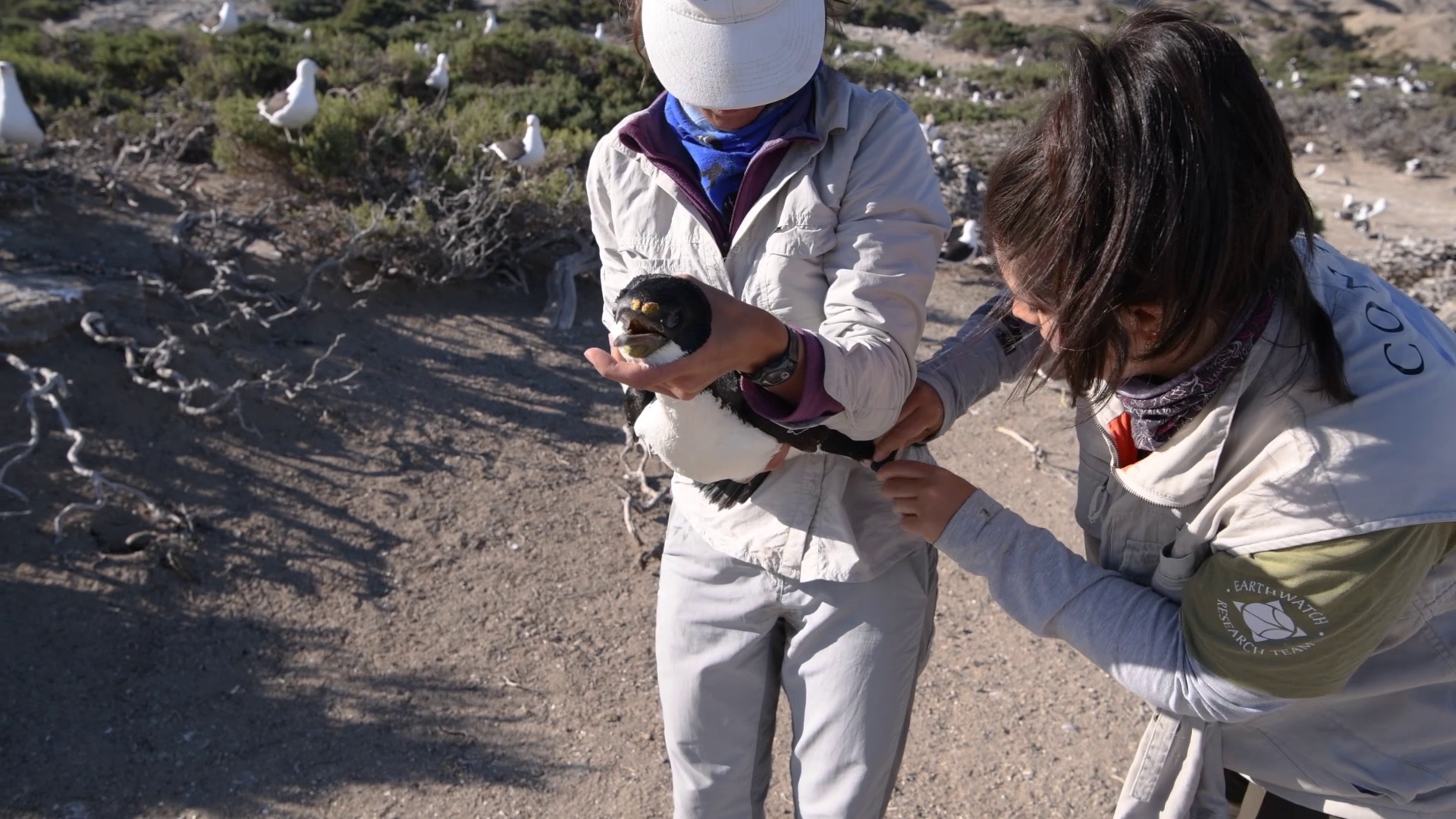
From the Institute of Biology of Marine Organisms (IBIOMAR-CONICET) in Puerto Madryn, the team carries out scientific research on cormorants, penguins, petrels and other seabird species. We combine fieldwork with the analysis of data obtained through state-of-the-art bio-logging technology. Our science provides results for national and international bodies involved in the management and conservation of the Argentine Sea.
We work with a broad network of national and international institutions and collaborators.
Meet the team →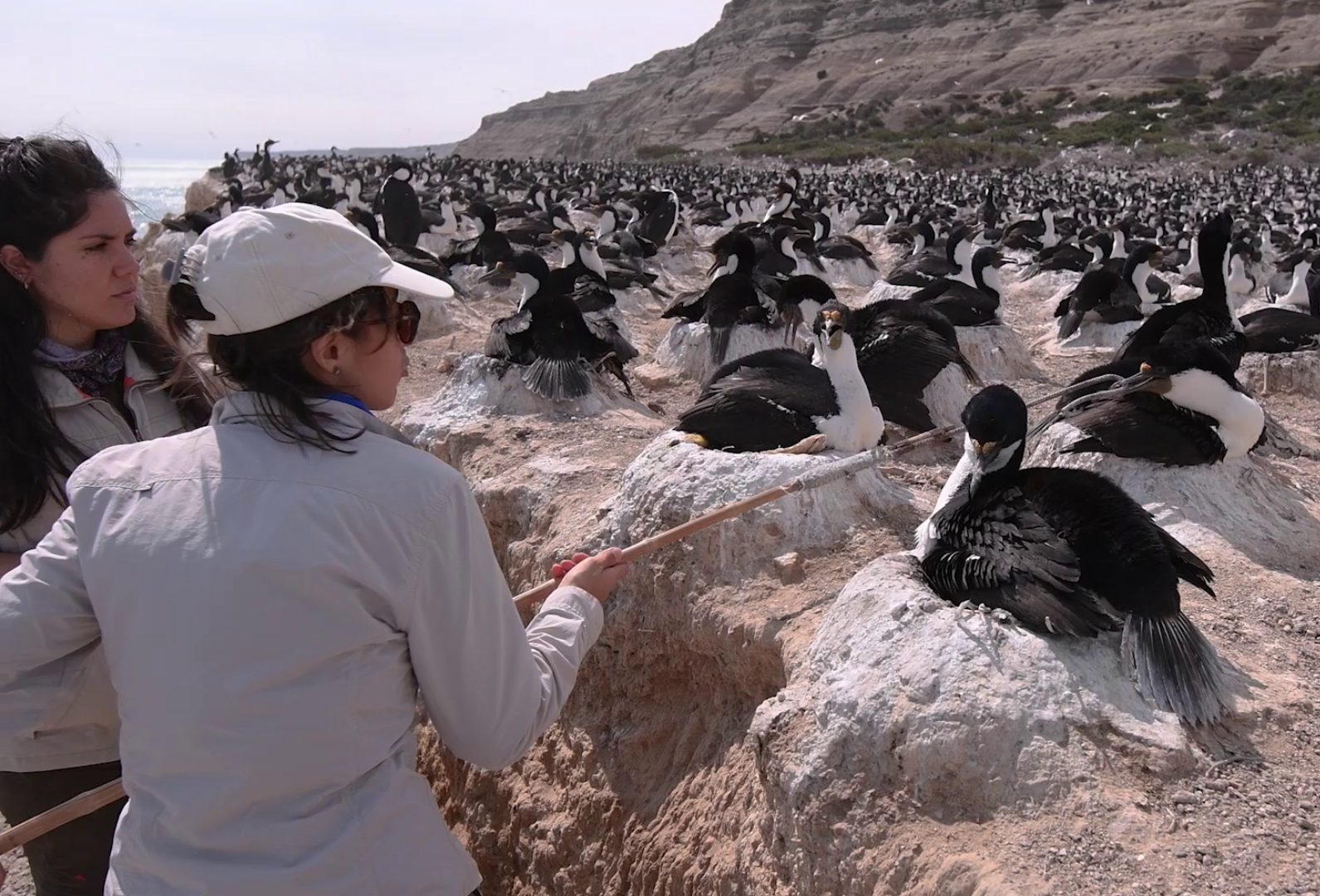
Live cameras!
Pioneering development of non-invasive remote monitoring and surveillance of seabird colonies on islands of the Parque Provincial Patagonia Azul, Chubut. We stream live from the nesting sites through satellite internet and high-definition cameras.
Watch the live camerasResearch and conservation
Even today, the Laboratory produces most of the national and Latin American publications on spatial and movement ecology of seabirds in our country. The laboratory is currently made up of six CONICET researchers with their respective fellows and undergraduate and graduate students. Although the central research line is spatial and movement ecology, we have developed research in the field of evolutionary ecology, parasitic ecology, the health status of wild populations, the paleobiology of diving birds, and interdisciplinary aspects of the conservation of species and environments through socio-ecosystemic management and conservation philosophy approaches.
Our work
Our most relevant original work is, in general terms, the current understanding of how higher vertebrates search for and exploit food resources at sea, based both on studies focused on foraging theories and on the development of movement and eco-physiological models. Among the strictly academic achievements related to this approach, the profound advance in the knowledge of the causes and consequences (i.e. behavioral, physiological and evolutionary) of the movements, feeding and diving of different species of seabirds and marine mammals (i.e. cormorants, penguins, elephant seals, etc.) stands out.
Strategy
Our strategy is based on defining and analyzing the three-dimensional space used by various marine species, especially during their feeding activities. We use advanced technology, including electronic movement and behavior data loggers, to analyze patterns and energy costs. In addition, we are pioneers in the development of high-resolution, nationally produced technology to support our research and conservation.
Proceedings of the Royal Society · PLoS ONE · Marine Ecology Progress Series · Nature Communications · Journal of Experimental Biology · Oikos · Journal of Animal Ecology
Science applied to conservation
- →Parque Interjurisdiccional Marino Costero Patagonia Austral
- →Parque Provincial Patagonia Azul
- →Iniciativa Pampa Azul
- →Portal de Datos del Mar
- →Plan Nacional de Conservación del Petrel Gigante del Sur
- →Acuerdo para la Conservación de Albatros y Petreles
History and background
Over all these years of sustained work, the Laboratory of Ecology of Marine Top Predators became one of the national and regional references in studies of spatial and animal movement ecology. The group was a regional pioneer in the use of highly complex electronic technology for the study of animal behavior (mainly higher marine vertebrates) and its scientific productivity is reflected in more than 200 articles published in high-impact journals such as: Proceedings of the Royal Society, Biological Sciences, PLoS ONE, Marine Ecology Progress Series, Nature Communications, Journal of Experimental Biology, Oikos, Comparative Biochemistry and Physiology, Journal of Animal Ecology, Ecological Monographs, Marine Biology, etc.
How we study it
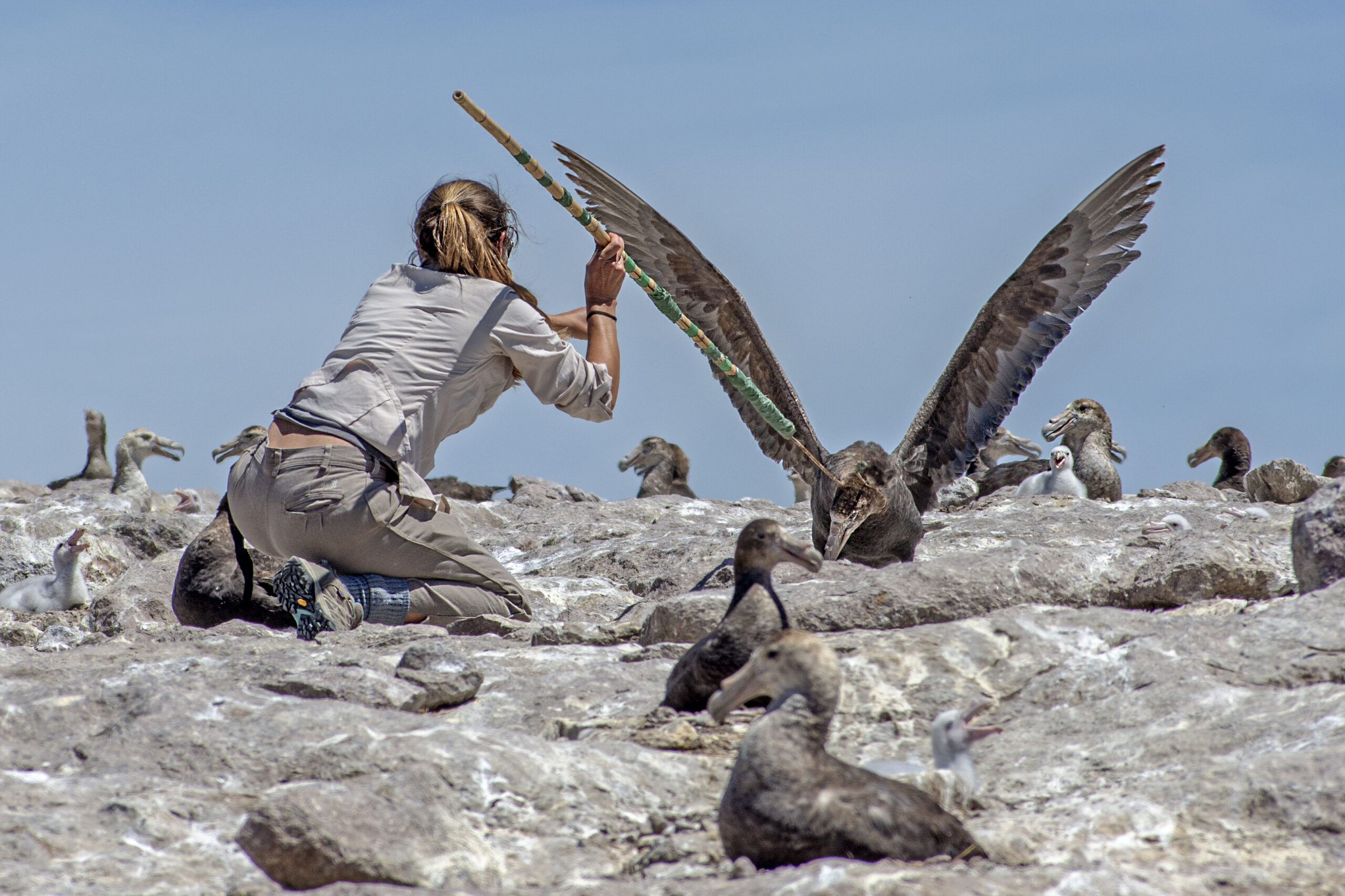
Bio-logging: remote tracking of birds during their journeys at sea. From land to the sky and the deep sea.
We equip seabirds and marine mammals with tiny sensors that record movement, behavior, diving and the characteristics of the environment. Every journey below or above the sea becomes revealing data.
Technology
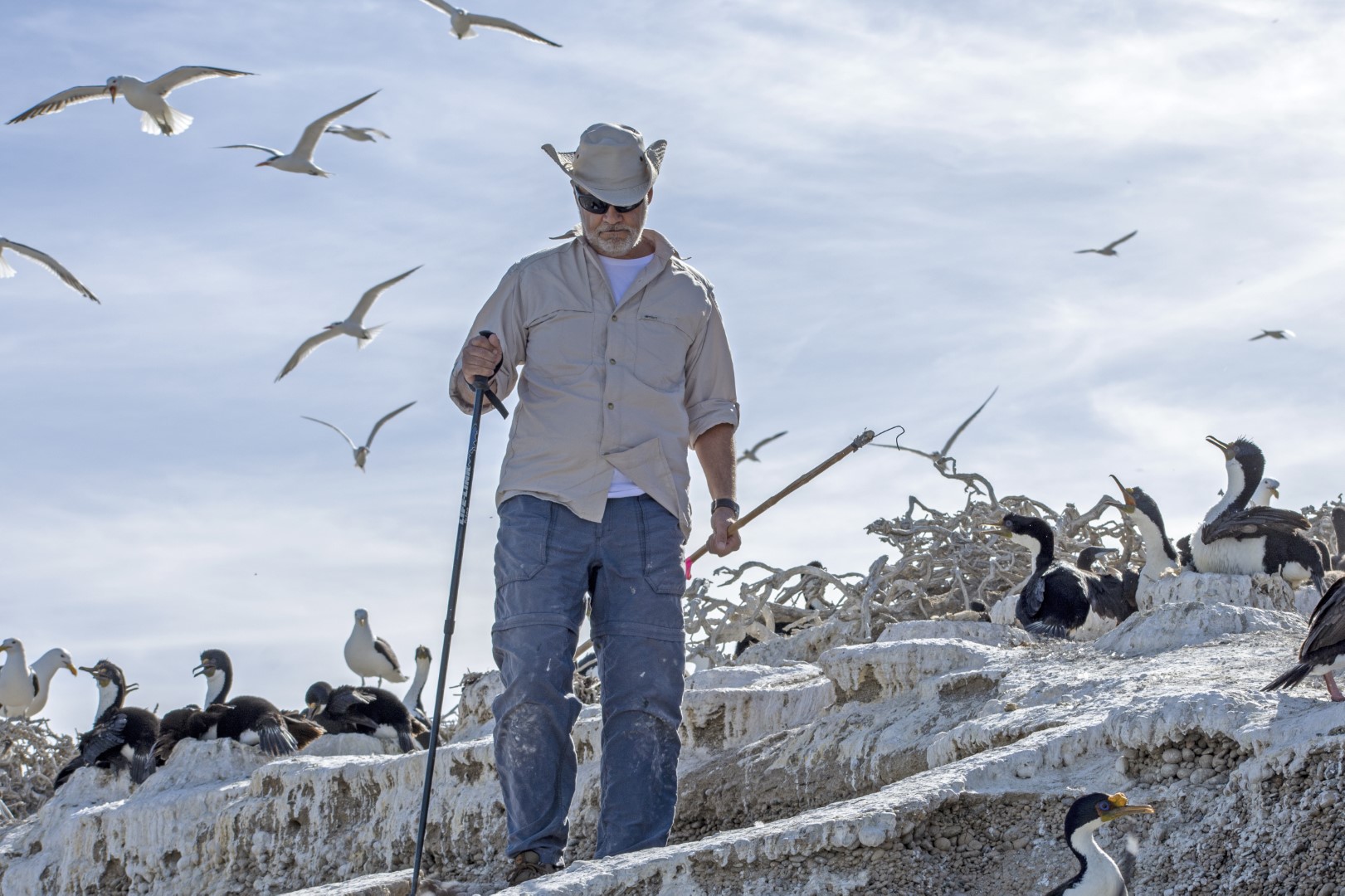
State-of-the-art technology
Where we work
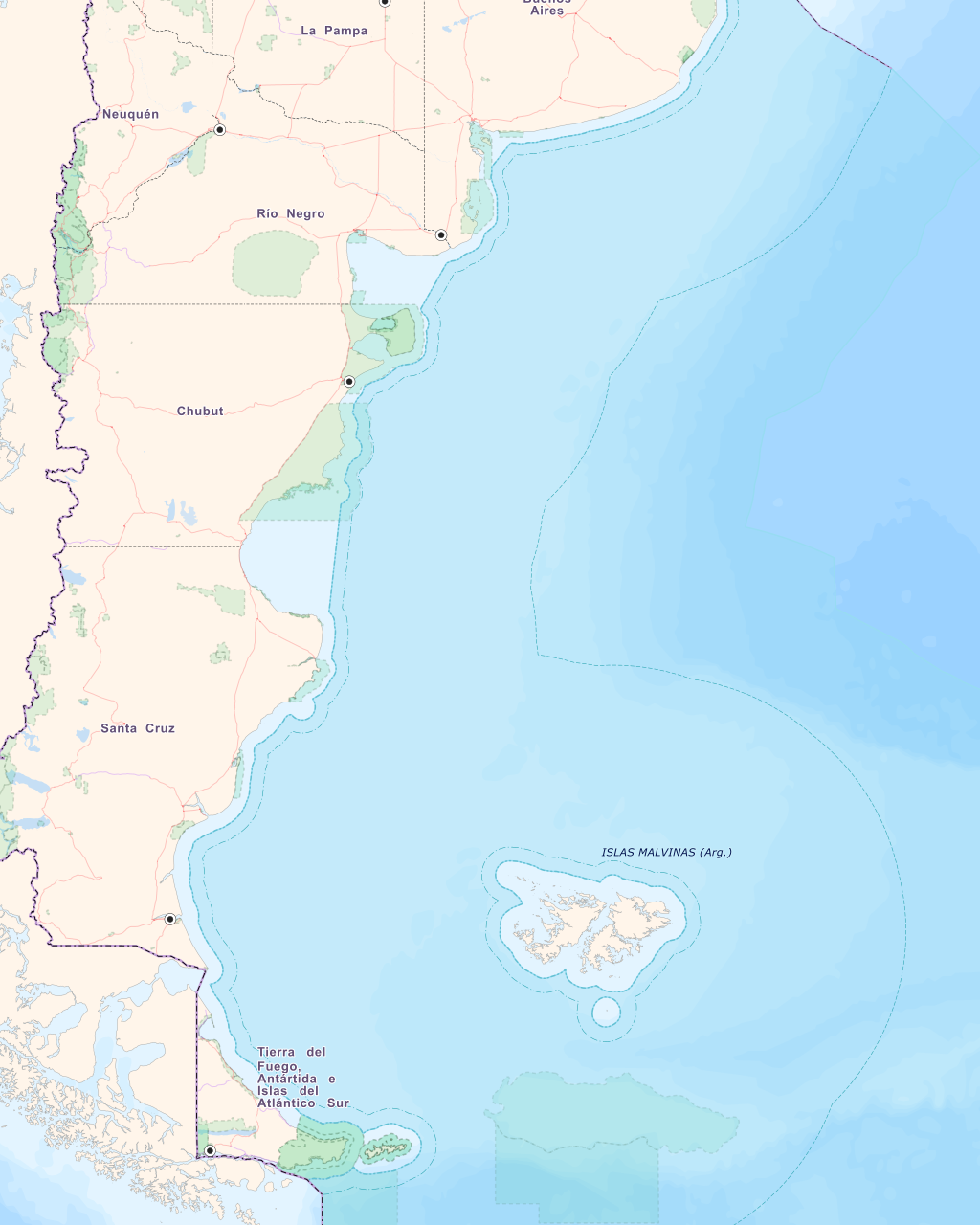
The Patagonian Sea, an open-air laboratory
We work in colonies of seabirds and marine mammals along the Patagonian coast of Argentina.
Long-term science for the conservation of the Patagonian Sea.
Field postcards
See the gallery →Science outreach
Featured talks and videos
Talks, documentaries and audiovisual material about our work with Patagonian marine wildlife.
Technological advances and large databases in the study of animal behavior
Talk by Dr. Agustina Gómez-Laich at the International Symposium on Computational Intelligence applied to the analysis of animal behavior.
AFO Talks: accelerometry and magnetometry
Accelerometry and magnetometry in the study of bird behavior; a talk from the Association of Field Ornithologists series.
Institutional videos
Discover the world of fieldwork through our documentaries and short films.
Research lines
We approach Patagonian marine fauna from multiple angles.
Latest publications
View all →- 2026BehaviorMovement
Casagrande, S., Laich, A. G., and Dell'Omo, G. 2026. Similar flight performance but sex-specific mitochondrial responses in free-flying pigeons. Biology Letters 22(7): 20260225. doi: 10.1098/rsbl.2026.0225
Download PDF ↓ - 2026BehaviorMovement
Gabelli-Suarez, V., Quintana, F., and Gómez-Laich, A. 2026. Optimización del uso de dispositivos GPS para estimar las áreas de uso y alimentación en aves marinas: el Cormorán Imperial como caso de estudio. El Hornero 41(1): 47-62. doi 10.56178/eh.v41i1.1533
Download PDF ↓ - 2026BehaviorMovement
Gunner, R. M., Wilson, R. P., Lurgi, M., Börger, L., Redcliffe, J., Shepard, E. L., ... and Potts, J. R. 2026. High resolution data reveal fundamental steps and turns in animal movements. Ecological monographs 96(2): e70069. doi: 10.1002/ecm.70069
Download PDF ↓ - 2026Health statusConservation
Gallo, L., Repetti, M. R., Michlig, M. P., Tamini, L. L, Chavez, L. N., Dellacasa, R. F., Alvarez, C. K., Rodriguez Heredia, S. A., Vanstreels, R. E. T., Pereira Serafini, P., and Uhart, M. M. 2026. High frequency of plastic-derived contaminants (phthalate acid esters) in the preen gland of dead procellariiform seabirds from the Patagonian Sea. Marine Pollution Bulletin, 222, 118723. doi: 10.1016/j.marpolbul.2025.118723.
Download PDF ↓ - 2026Health statusConservation
Montgomery, P., Vanstreels, R. E. T., Gallo, L., Blanco, G., Quintana, F., Uhart, M., Kordas, K., and Aga, D. 2026. Penguins as Sentinel Species for Monitoring Per- and Polyfluoroalkyl Substances (PFAS): Evaluation of Silicone Passive Samplers as a Non-Invasive Tool. Earth: Environmental Sustainability, 2 (1), 114–132. doi:10.53941/eesus.2026.100009.
Download PDF ↓ - 2026Health statusConservation
Gallo, L., Michlig, M. P., Repetti, M. R., Donini, A., Rodriguez, A. E., Sironi, M., and Uhart, M. M. 2026. First report of phthalate acid esters (plasticizers) in blubber of southern right whales (Eubalaena australis) from Península Valdés, Argentina. Polar Biology, 49(3), 69. doi: 10.1007/s00300-026-03508-8
Download PDF ↓
We work alongside