Leptomar

What we do

Research

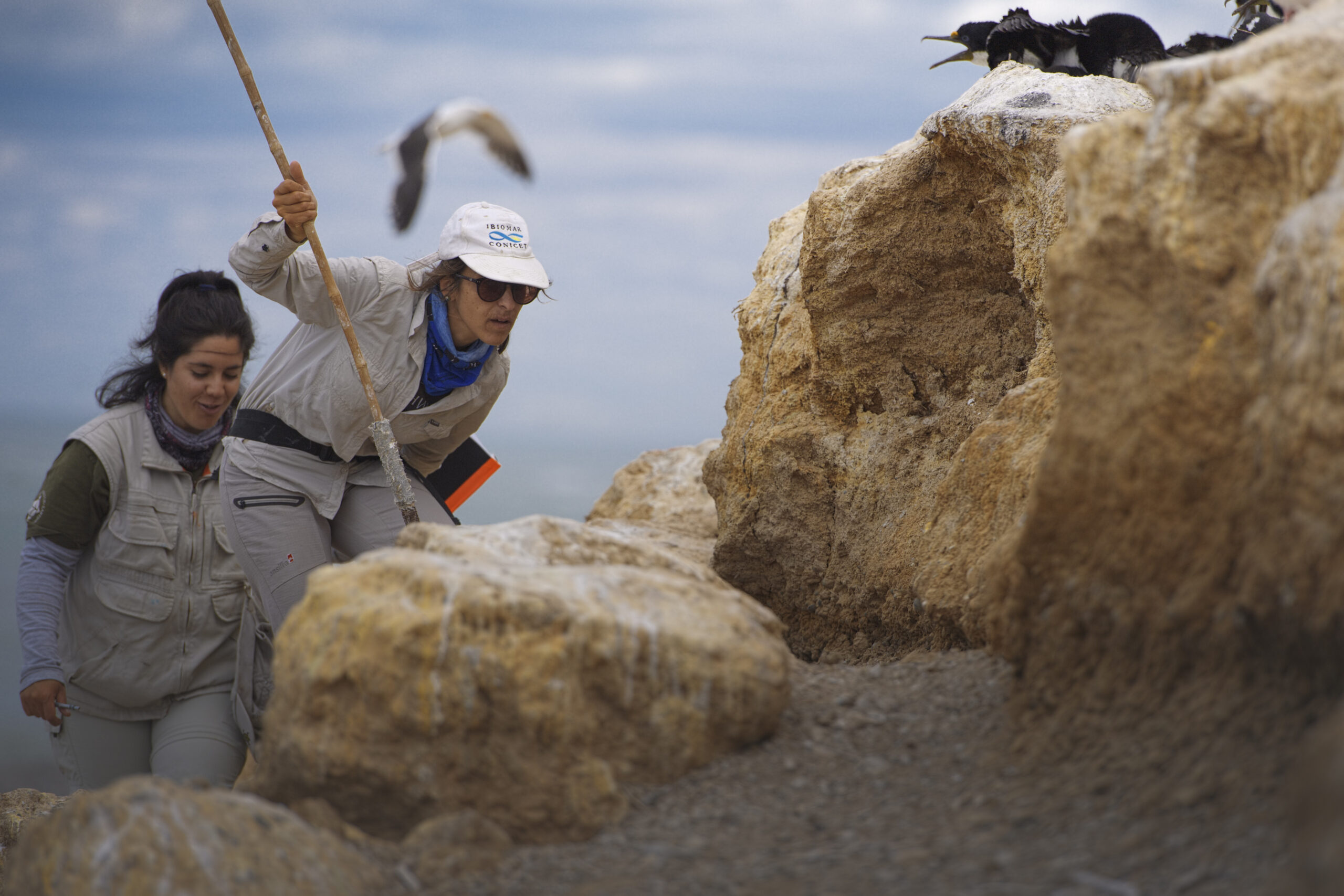
LEPTOMAR (IBIOMAR-CONICET) is a national and regional reference (with international recognition) in studies of spatial and animal movement ecology. The group was a regional pioneer in the use of highly complex electronic technology for the study of animal behavior, with an emphasis on birds and mammals. The work carried out in this laboratory enabled the training of numerous human resources (internships, undergraduate degrees, doctorates, postdoctorates and researchers), and the acquisition of one of the most robust long-term data series on the behavioral ecology and conservation of several seabird species of the Argentine Sea.

Research lines

Ongoing and concluded

Ongoing lines

Pelagic and movement ecology

This research line covers the spatial ecology of top predators of the Argentine Sea, the study of diving, feeding and diet behavior, the fine-scale analysis of movements and foraging effort, the role and impact of marine top predators as biological platforms for the exploration and monitoring of oceanographic parameters, the development of bioenergetic models in marine endotherms, etc. In general terms, the research projects framed within this line focus on the study of the three-dimensional space (horizontal and vertical) used by the main top predator species of the Argentine Sea, analyzing the behaviors developed there and the resulting energy costs.
Evolutionary biology, reproductive ecology, parental investment and brood reduction in seabirds

The main objectives of this research line are framed within the field and experimental analysis of the effect of different life-history traits on the reproductive success of individuals. In this context, reproductive and feeding strategies are studied, as well as the patterns, processes and mechanisms inherent to them in species with different life-history traits. Thus, the aim of this research line is to test different hypotheses related to the evolutionary theories of parental investment, parental effects and age-specific effects, sex-specific environmental effects on the offspring, brood reduction, and intra-family conflicts and communication.

Ecophysiology

This integrative research line combines knowledge of the biology of the species, such as their physiology, trophic ecology and behavior, with the physical and chemical conditions of the environment. It analyzes and interprets how environmental variables modulate the life history, distribution and behavior of marine top predators, aspects strongly shaped by natural selection. This research line uses tools such as bioenergetic and thermodynamic modeling and estimators of the metabolic rate of organisms, and relies heavily on experimentation in controlled environments and on fieldwork.

Health status indicators in wild seabird populations

Indicators of health status, immunocompetence and/or vulnerability to pathogens of different marine species are determined, studied and analyzed. In the case of top predators (mainly seabirds), this research line seeks to determine a series of indicators (hematological and immunological parameters, plasma biochemistry and serology of infectious diseases) that quickly and simply reveal the health status of wild populations and help to detect some degree of health threat at an early stage.

Concluded lines

Parasitic taxonomy and ecology; ecology of chewing lice in seabirds

This line contributes to diversity through the description of parasitic species of different species of seabirds and marine mammals, by studying their morphology and modes of transmission, elucidating their life cycles. Aspects of the parasite-host relationship are also studied, such as pathology at the individual level (mainly at the histological level) and at the population level (seasonal and/or spatial dynamics), parasitic specificity and the factors (evolutionary or ecological) that structure parasitic communities. In short, this research line focuses on the study of the evolutionary and ecological relationships and adaptations of lice of diving hosts.

Paleobiology; morphoanatomy and functional mechanics of penguins

The central idea of this research line is to analyze and propose anatomical and biomechanical models for certain marine species that allow interpreting the ecological requirements of fossil species. This work is carried out through detailed studies of the anatomy of both extinct and living species. The main objective of this research line is to study the musculature and bony elements of living penguins in order to make inferences about the different feeding and diving strategies of fossil species that inhabited Patagonia millions of years ago. The study of the variation in bone shape is carried out mainly through the use of geometric morphometrics.

Planning activities and management projects in marine conservation

Worldwide, the strategies with which biodiversity conservation is practiced, and in particular the ways of conceiving and managing protected areas, are being reviewed. In this regard, there is a trend toward more comprehensive approaches that explicitly incorporate the human dimension of conservation. The aim of this research line is to analyze management models for marine protected areas from a socio-ecological systems perspective. Currently, the management model of the Patagonia Austral Coastal Marine Interjurisdictional Park (Province of Chubut, Argentina) is being analyzed.

Focal study species

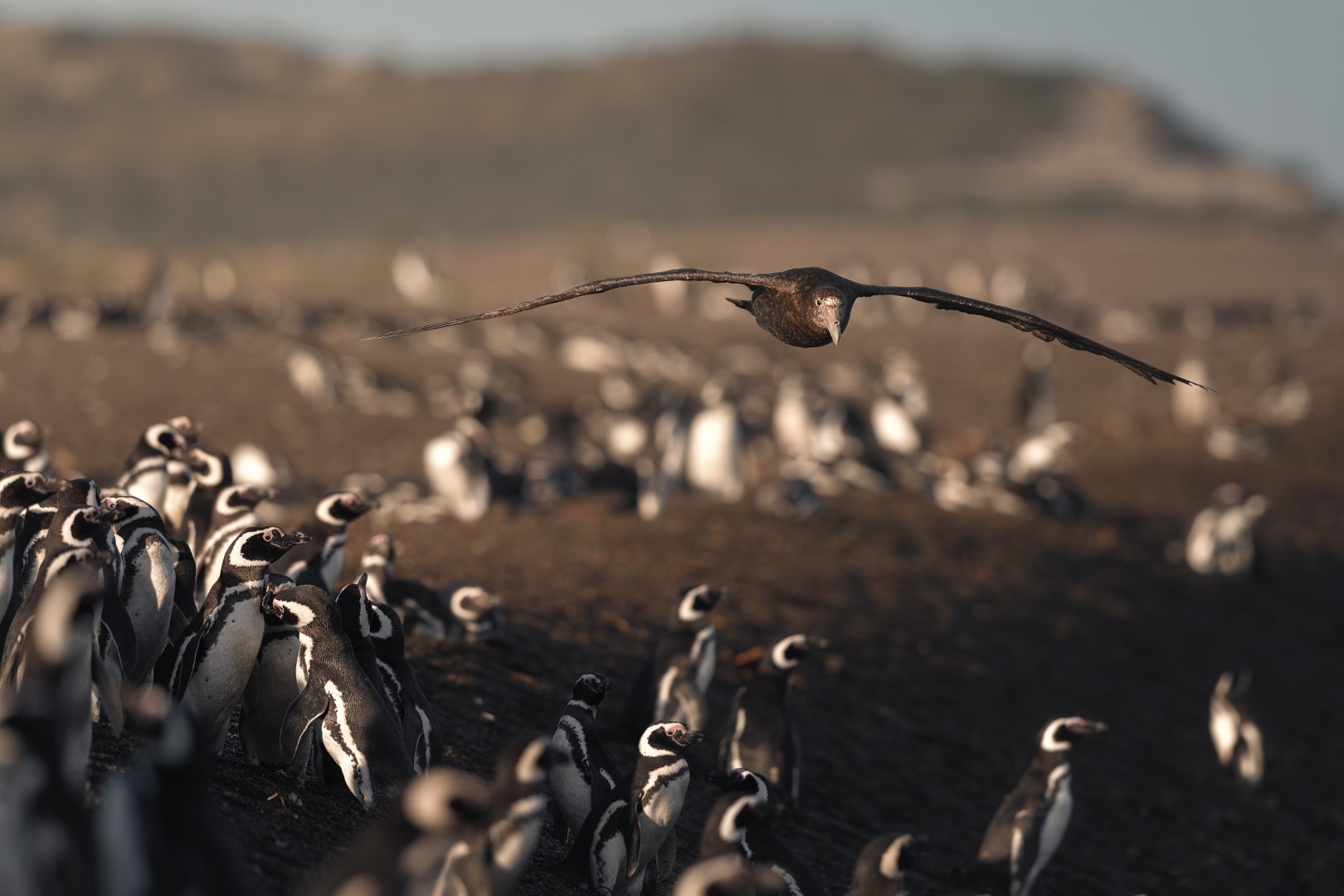
Southern Giant Petrel

Southern Giant Petrel

Macronectes giganteus

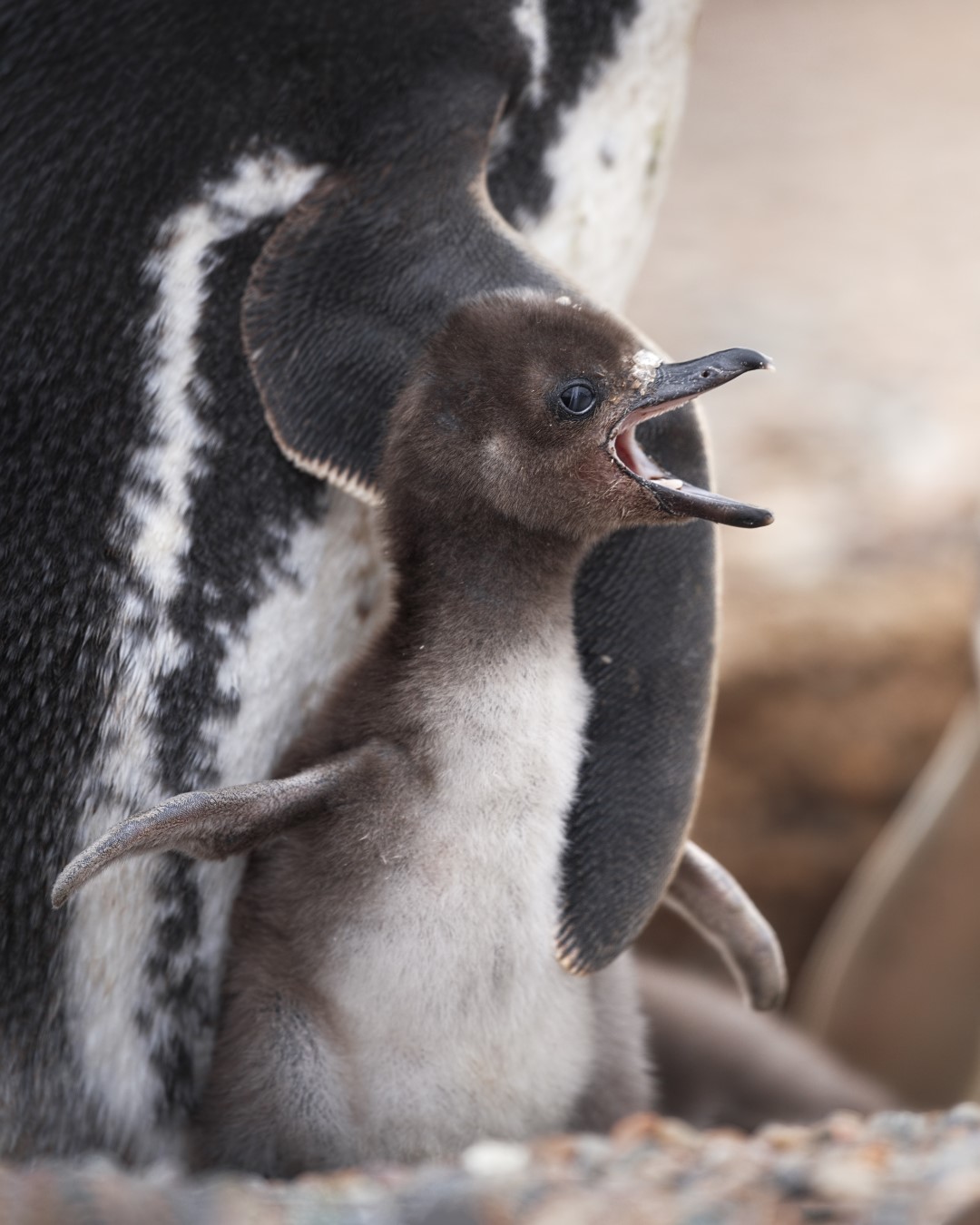
Magellanic Penguin

Magellanic Penguin

Spheniscus magellanicus

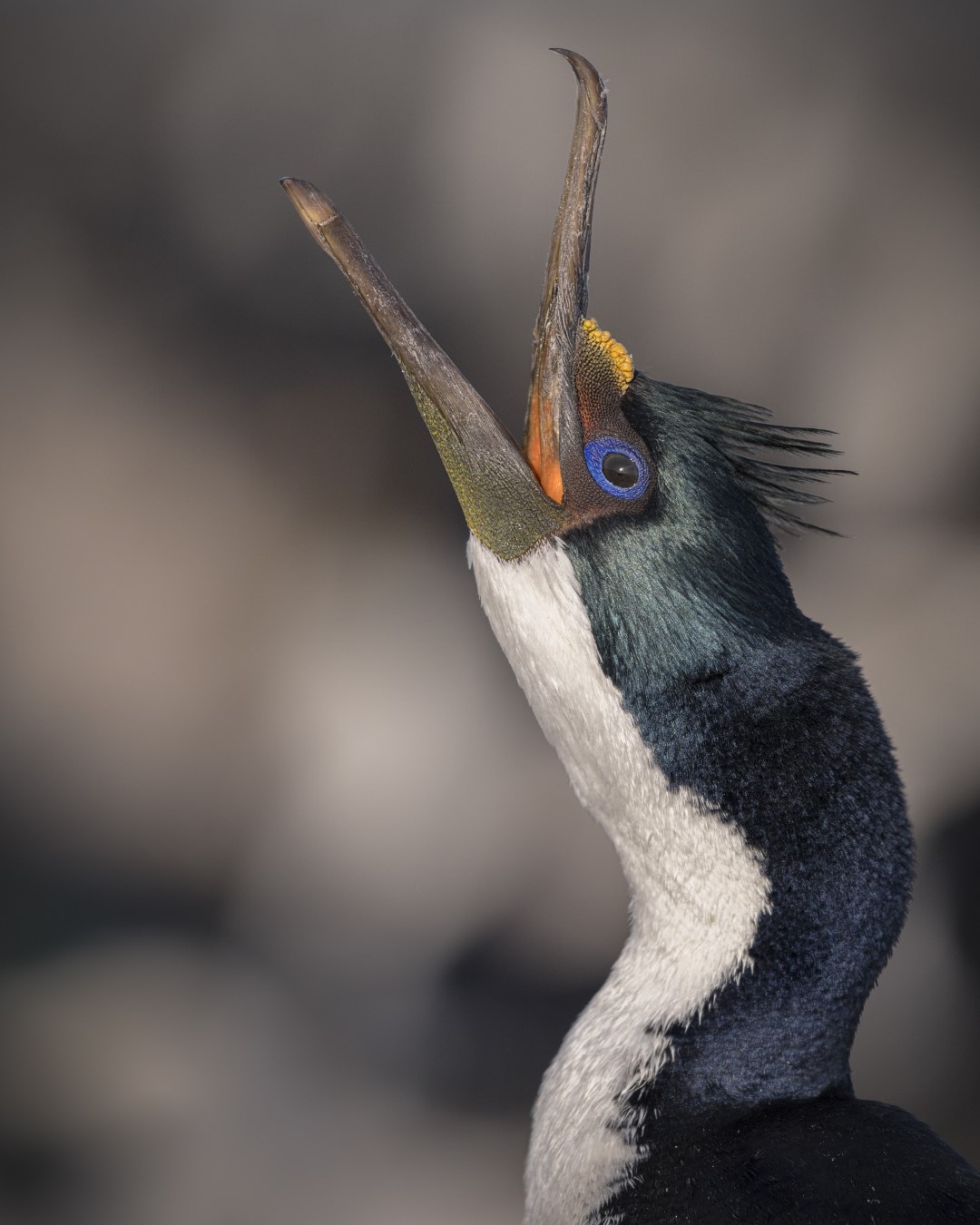
Imperial Cormorant

Imperial Cormorant

Leucocarbo atriceps

Seabirds are the true residents of the ocean. They only borrow the land.

Carl Safina, marine ecologist and author.

Featured talk

AFO Talks: accelerometry and magnetometry

Accelerometry and magnetometry in the study of bird behavior; a talk from the Association of Field Ornithologists series.